Natural Strategies for Weight Balance and Active Longevity
Explore the multifaceted aspects of health, wellness, and sustainable living practices

Understanding Weight Balance
Weight balance extends far beyond simple caloric accounting. This section delves into the multifaceted aspects that influence healthy weight, exploring metabolic factors, hormonal balance, gut health, and lifestyle impacts on body composition.
The human body's relationship with weight is complex, involving numerous interconnected systems. Understanding how these elements interact creates a sustainable state of balance, rather than pursuing rigid, unsustainable approaches.
- Metabolic factors and energy regulation
- Hormonal balance and its effects on weight
- Gut microbiome and digestive health
- Lifestyle patterns and body composition

The Role of Nutrition in Longevity
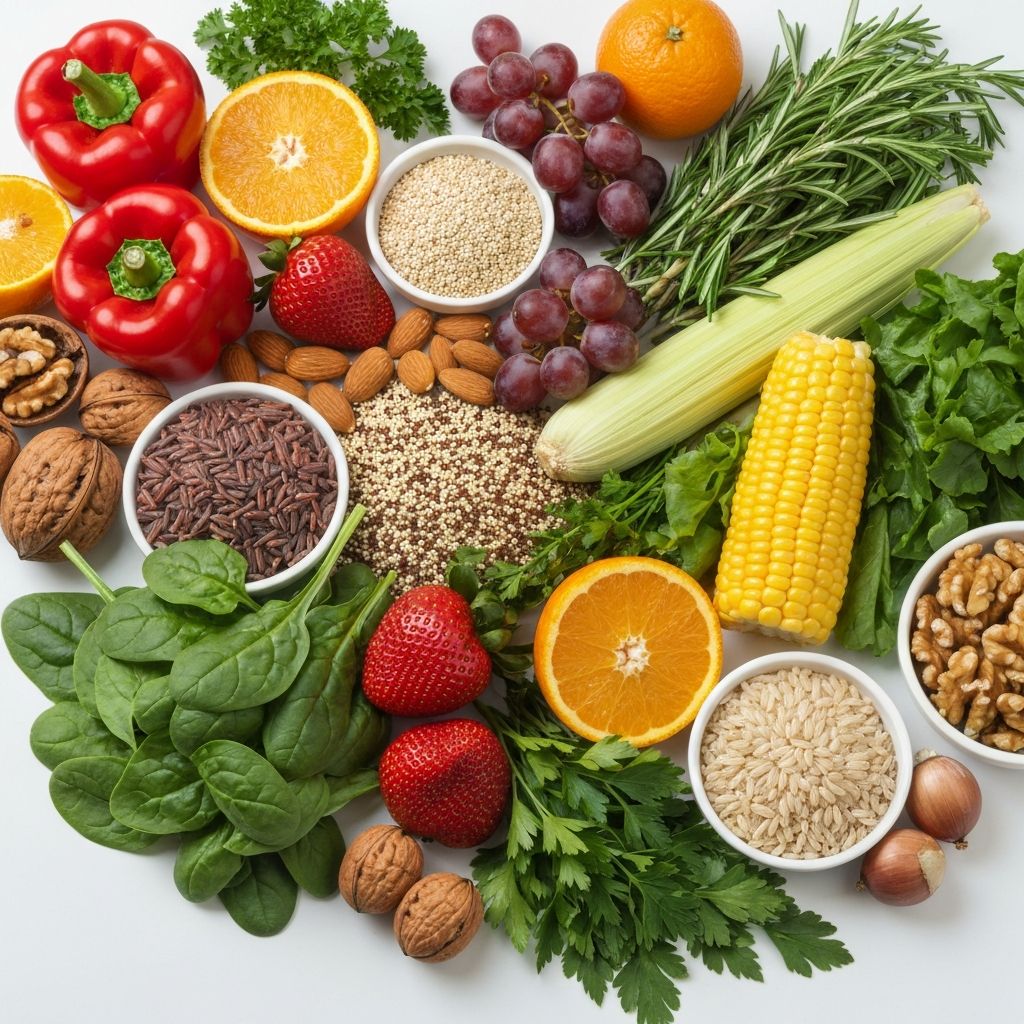
Foundational principles of balanced nutrition focus on nutrient-dense whole foods. This exploration examines essential macronutrients and micronutrients, and their collective contribution to cellular health, energy production, and long-term vitality.
The foods we consume serve as building blocks for our bodies and sources of energy. A balanced diet rich in whole foods supports every physiological process, from immune function to cognitive performance.
Integrating Physical Activity
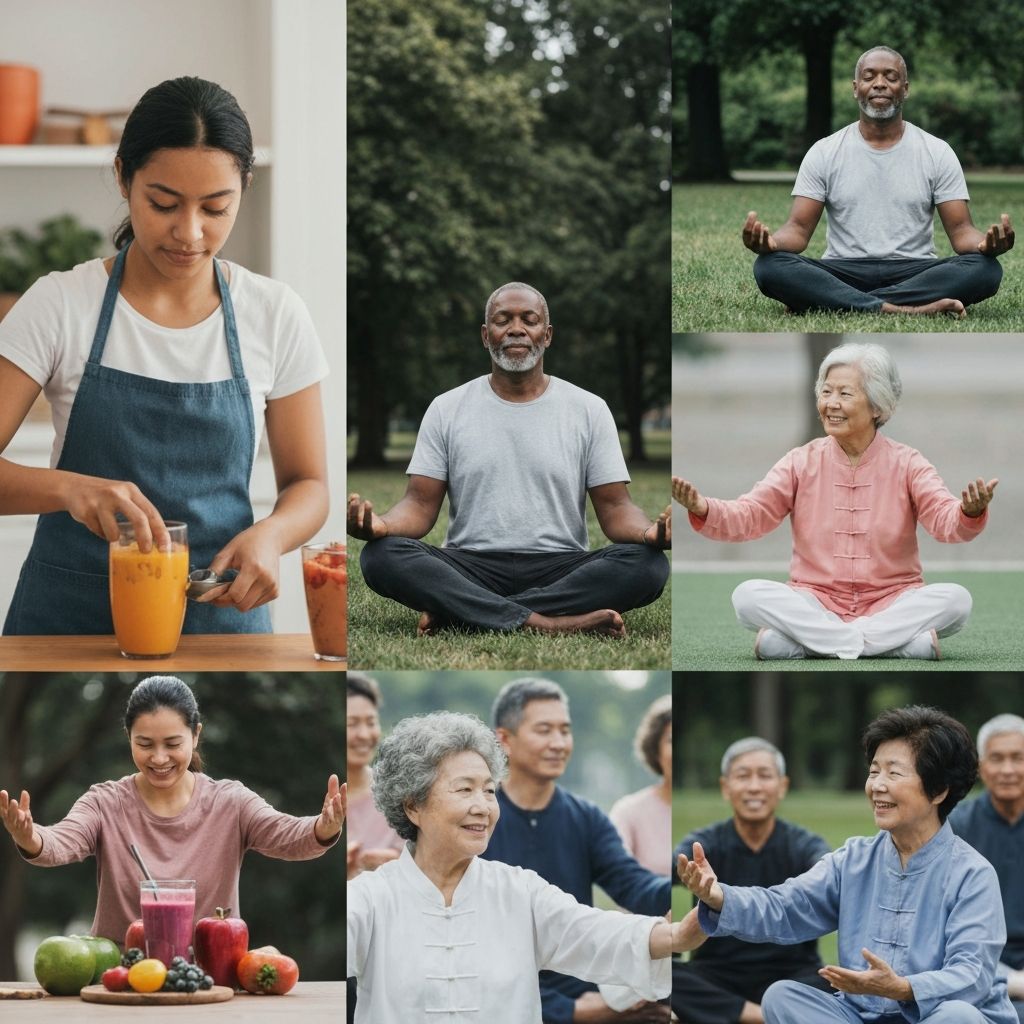
Physical activity encompasses diverse forms, from daily movement to structured exercise. It plays a crucial role in cardiovascular health, muscle strength, flexibility, mental well-being, and overall metabolic function.
The human body thrives on movement. Whether through walking, yoga, gardening, or more structured exercise, regular physical activity is fundamental to maintaining vitality and promoting active longevity.
- Daily movement and lifestyle activity
- Cardiovascular health through aerobic exercise
- Strength and flexibility development
- Mental well-being benefits of physical activity
- Sustainable, long-term exercise routines

Natural Ingredients for Wellness
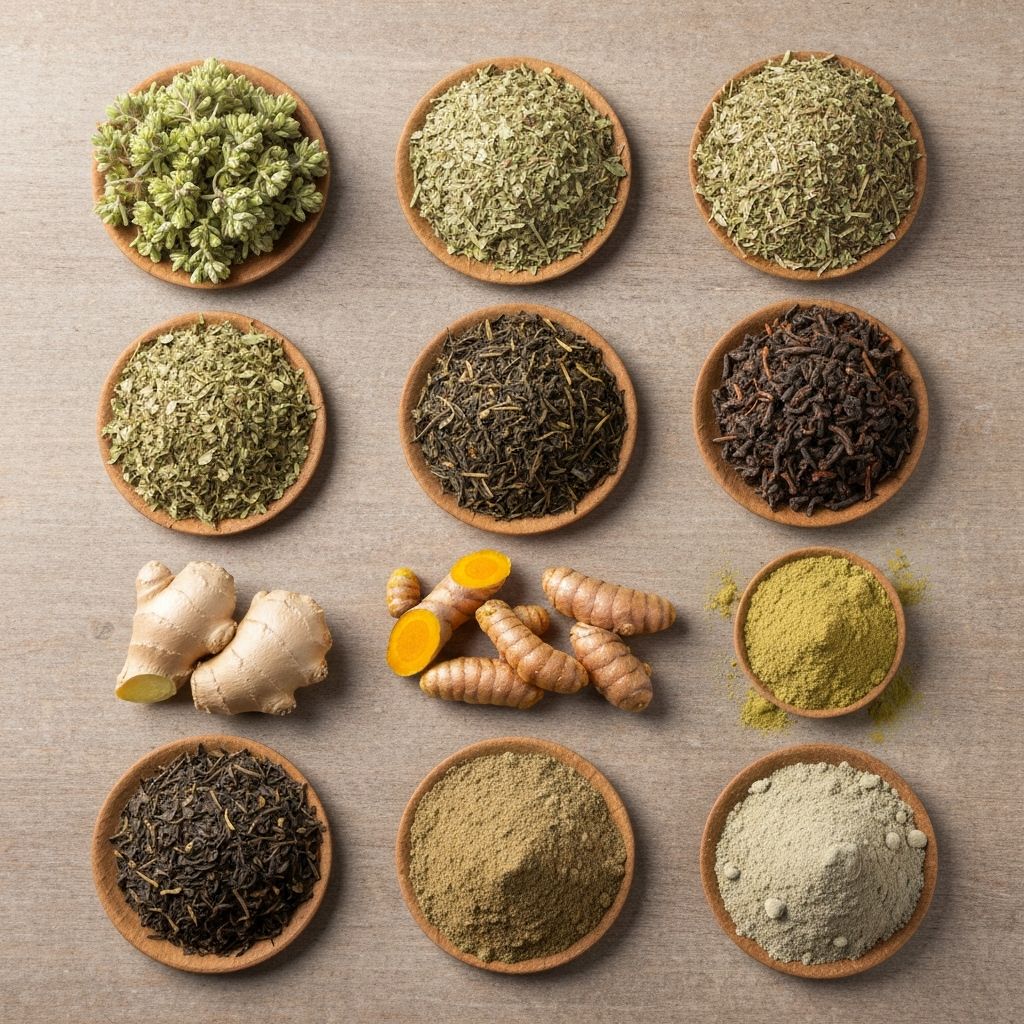
Common herbs, botanicals, and natural compounds have been used across cultures for millennia. This section provides an overview of their traditional uses and how they are believed to support general physiological functions and well-being.
Natural ingredients derive their significance from traditional knowledge systems and contemporary research. Understanding their roles in supporting bodily functions provides valuable context for wellness approaches.
Mind-Body Connection
The profound link between mental and emotional states and physical health cannot be overstated. Stress, sleep patterns, and emotional well-being directly influence physical health outcomes.
Stress Management
Chronic stress impacts the entire body, affecting inflammation, immune function, and metabolism. Developing stress management techniques is essential for overall health.
Sleep Quality and Duration
Sleep is when the body repairs and regenerates. Adequate, quality sleep is foundational for maintaining healthy weight, hormonal balance, and cognitive function.
Mindfulness and Emotional Health
Mindfulness practices cultivate awareness and emotional resilience. These practices support both mental clarity and physical well-being through nervous system regulation.
Hydration and Its Importance
Water is essential for every bodily function. Proper hydration supports metabolism, nutrient transport, detoxification, and maintains optimal energy levels throughout the day.
Often overlooked in discussions of wellness, hydration is one of the most fundamental aspects of maintaining health. The body's ability to function depends on adequate water intake.
- Cellular hydration and nutrient transport
- Metabolic processes and energy production
- Detoxification and waste elimination
- Cognitive function and mental clarity
- Temperature regulation

Sustainable Habits for Long-term Well-being
Long-lasting health outcomes result from consistent, sustainable habits rather than drastic measures. This approach emphasizes gradual changes integrated into daily life.
Building healthy habits is a journey of small, meaningful steps. Sustainable approaches yield lasting benefits far exceeding those of rapid, unsustainable changes.

Understanding Metabolism Simplified
Metabolism refers to all the chemical processes that convert food into energy. Understanding basic metabolic processes provides context for how the body maintains weight balance and overall vitality.
Energy Production
The body converts macronutrients (carbohydrates, proteins, and fats) into ATP, the energy currency of cells. This process, called cellular respiration, powers every bodily function.
Metabolic Rate
Metabolic rate varies based on age, genetics, body composition, physical activity level, and hormonal factors. Understanding these influences provides context for weight management approaches.
Nutrient Utilization
Different nutrients are processed differently. Protein requires more energy for digestion, while complex carbohydrates provide sustained energy, and healthy fats support hormone production.
Hormonal Regulation
Hormones like insulin, cortisol, and thyroid hormones regulate metabolic processes. Lifestyle factors significantly influence hormonal balance and metabolic efficiency.
Environmental Factors Influencing Health
External environmental elements significantly impact physical and mental health. Air quality, exposure to natural light, and access to green spaces contribute to overall well-being.
The environment we inhabit shapes our health in ways both obvious and subtle. Creating living conditions that support natural rhythms and connection with nature enhances wellness.
- Air quality and respiratory health
- Natural light exposure and circadian rhythm regulation
- Access to green spaces and nature
- Environmental stressors and stress reduction
- Connection with natural environments

Cultural Perspectives on Longevity
Diverse global traditions and lifestyle practices associated with long, healthy lives offer valuable insights. Various cultural approaches to diet, community, and daily activity contribute to understanding wellness.
Across the world, cultures with the longest-lived populations share common patterns: emphasis on whole foods, strong community bonds, regular physical activity, and connection to nature.
Important Context and Limitations
This website provides general informational content only. It does not offer individual recommendations, substitute for professional medical advice, diagnosis, or treatment. Lifestyle choices and approaches vary greatly, and personal decisions should always be made in consultation with a qualified healthcare professional.
The information presented here is educational in nature, designed to explain concepts and describe phenomena related to health and wellness. It is not a substitute for professional medical judgment or professional healthcare.